
Procyon lotor
Meet Leon.
Leon is a 1-year-old blonde leucistic raccoon. His pale coat is unusual; his intense curiosity, dexterity, and advanced care needs are thoroughly raccoon.
Search raccoon answers →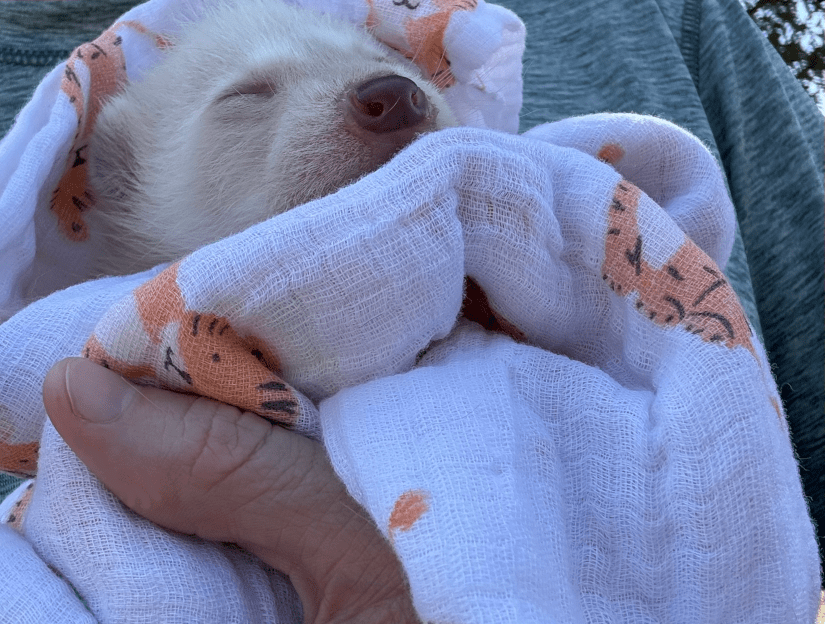
Advanced care, real wild instincts.
Raccoons need secure expansive housing, climbing, water play, daily problem-solving, varied veterinarian-designed nutrition, permits where required, and an experienced exotic-animal care team. Socialization does not make a raccoon domesticated; maturity can bring resource guarding, territoriality, destruction, and unpredictable bites.
Housing & Environment
Adult raccoons need fully enclosed, escape-proof enclosures with climbing branches, platforms, dens, and water features for wading and foraging. Daily enrichment and secure latches are essential.
Nutrition & Health
Varied diets, fresh water, and regular veterinary checks help manage weight and prevent common health issues. Raccoons also require rabies vector precautions and careful waste handling.
Behavior & Social Life
Nocturnal, highly tactile, and problem-solving, raccoons investigate everything with their paws. Early social exposure helps but does not erase wild instincts that emerge with age.
Legal & Lifetime Commitment
Many states restrict or license raccoon care. With 10–15 years of specialized daily care, raccoons are a long-term commitment requiring experienced support.
The Raccoon Manual
Professional guidance by Richard Ward.
Raccoon knowledge
Raccoon care questions
Where good skin, scales, shell, and body covering starts for raccoons—and which shortcuts commonly cause trouble.
Raccoons · skin, scales, shell, and body coveringHow should food for raccoons be stored and prepared? →What caretakers should observe, measure, and prepare when managing food storage and feeder safety for raccoons.
Raccoons · food storage and feeder safetyWhat does responsible lifetime care for raccoons cost? →What caretakers should observe, measure, and prepare when managing costs and lifetime planning for raccoons.
Raccoons · costs and lifetime planningWhat should I know about adopting or rehoming raccoons? →Useful questions, warning signs, and care details for raccoons and adoption, rescue, and rehoming.
Raccoons · adoption, rescue, and rehomingDo the nails or claws of raccoons need trimming? →Clear answers about nails, claws, and routine trimming for raccoons, with common risks and useful care routines.
Raccoons · nails, claws, and routine trimmingWhat treats are safe and useful for raccoons? →A closer look at treats and food enrichment for raccoons, including food, habitat, safety, and veterinary planning.
Raccoons · treats and food enrichmentHow do I protect the teeth, jaw, and mouth of raccoons? →A practical path through the most common grooming and hygiene questions about raccoons.
Raccoons · grooming and hygieneWhat backup systems protect raccoons during a power outage? →An everyday reference for understanding power outages and equipment failure in raccoons.
Raccoons · power outages and equipment failureHow do raccoons build trust with caretakers? →Careful, readable guidance on trust and caretaker relationships for people responsible for raccoons.
Raccoons · trust and caretaker relationshipsCan raccoons safely live with other animals? →Start with how raccoons live, then build better decisions about multi-animal households.
Raccoons · multi-animal households